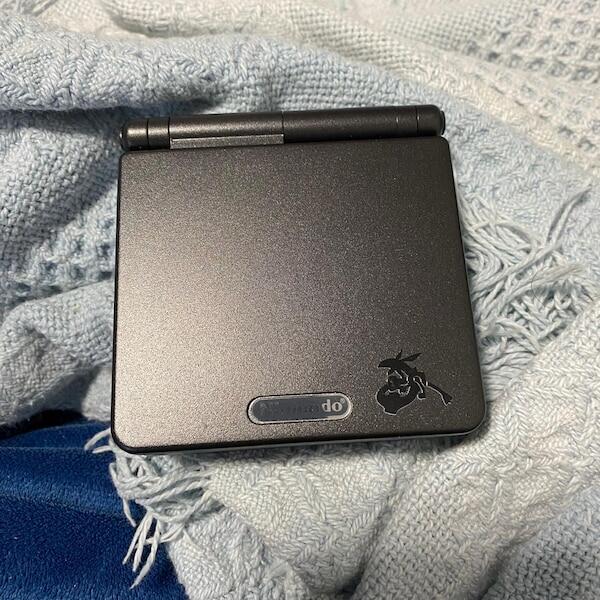

Gaming clubs need Game Boy Advance SP fleets that survive weekly meetups, not a single collector's showpiece. Modded Game Boy Advance SP consoles for gaming clubs are refurbished handhelds fitted with IPS V5 screens, USB-C charging and reinforced shells, sold as fleet-ready units instead of one-off restorations. A club running five, fifteen or fifty consoles has different needs than an individual buyer: screens that look identical under the same tournament lighting, chargers that don't require a dozen mismatched cables, and shells tough enough to survive being passed between members every week.
- Gameboy Advance SP for gaming clubs works best when every unit in the fleet runs the same IPS V5 screen and USB-C charging spec.
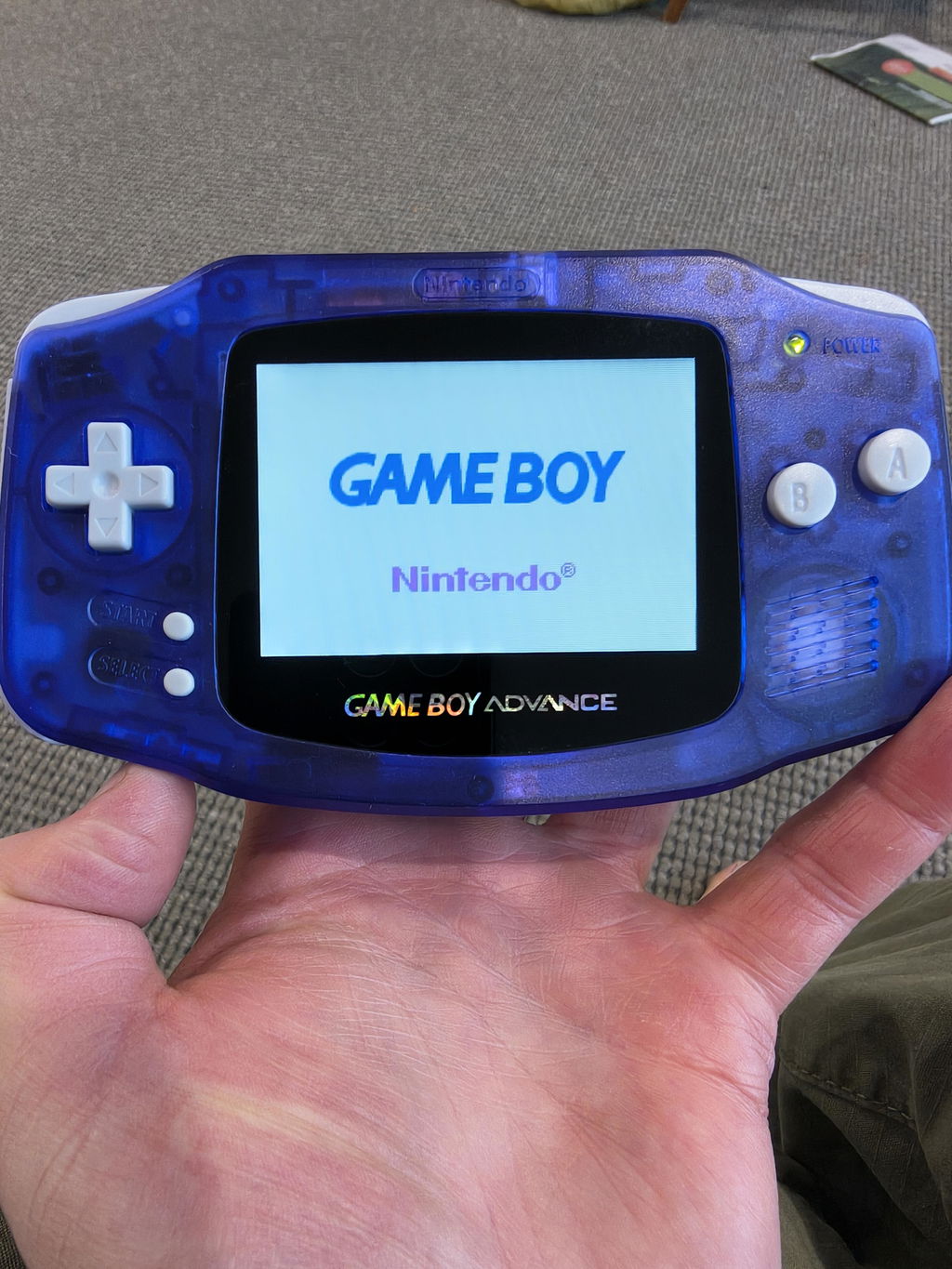
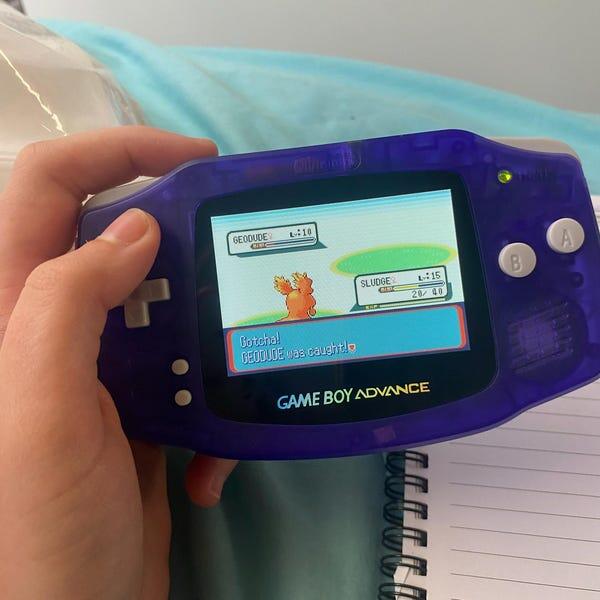
- Retrofit's Stealth Black and Transparent Black editions give clubs visually distinct shells for fast check-out identification in 2026.
- Repairing existing club-owned GBA stock often beats buying new units when the originals are structurally sound.
- Mixed screen generations across a fleet cause more tournament-night confusion than any check-out spreadsheet.
Why this matters for gaming clubs
A club is not one buyer making one decision — it's ten to fifty members sharing a small pool of hardware, and the failure modes are different from a solo collector's. Original GBA SP units from the early 2000s run on aging NiMH battery packs that degrade unevenly, so a fleet bought secondhand without inspection ends up with half the units dying mid-session. Screens are the other flashpoint: the stock GBA SP screen is not backlit and washes out under the fluorescent lighting most club venues use, which is exactly why IPS V5 screen mods exist.
Mismatched charging is the quiet fleet-killer. If half your consoles still use proprietary GBA SP chargers and half have been converted to USB-C, someone always shows up to game night with the wrong cable. Standardizing on USB-C across every unit in Retrofit's catalogue removes that problem entirely — one charger type, one set of spares, no cable roulette.
Define your fleet size and use case first
Before buying anything, decide what the fleet is actually for. A casual weekly meetup needs different hardware than a competitive tournament night with spectators watching a screen from across the room.
- Count active members who'll realistically use club hardware in a given month
- Decide whether units are club-owned, member-owned (BYOD), or a mixed loaner pool
- Set a per-unit budget before browsing, not after
- Separate "casual play" units from "tournament" units if screen visibility matters for spectators
- Confirm whether units need to travel to events or stay on-site
Standardize the screen upgrade across every unit
Running a mixed fleet of IPS V2 and IPS V5 screens creates an uneven experience the moment two members compare consoles side by side. V5 panels handle brightness and colour accuracy better under artificial lighting, which matters more in a club room than a bedroom.
- Confirm every unit specifies IPS V5, not an unlabeled "IPS upgrade"
- Avoid buying a partial batch of V2 units to save money — it shows immediately at meetups
- Test screen brightness under the venue's actual lighting before committing to a full order
- Ask whether backlit brightness has been adjusted for glare if the room has overhead fluorescents
Solve charging for shared use
A club juggling original GBA SP chargers alongside converted units is a charging-cable nightmare within a month. USB-C is the only sensible standard for shared hardware in 2026.
- Only stock USB-C units going forward — retire proprietary-charger consoles from the active pool
- Buy one or two multi-port USB-C charging stations instead of individual wall adapters
- Label cables and ports so members return chargers to the right slot
- Keep two or three spare USB-C cables in the kit bag; they go missing first
Choose shells for fast visual identification
A lending pool of identical black consoles is the single most common source of "whose console is this" arguments at check-out. Distinct shell finishes solve this without any tracking software.
“If two units in your lending pool look identical, someone ends up with the wrong console by week three.”
- Assign one shell colour or finish per loaner group or team roster
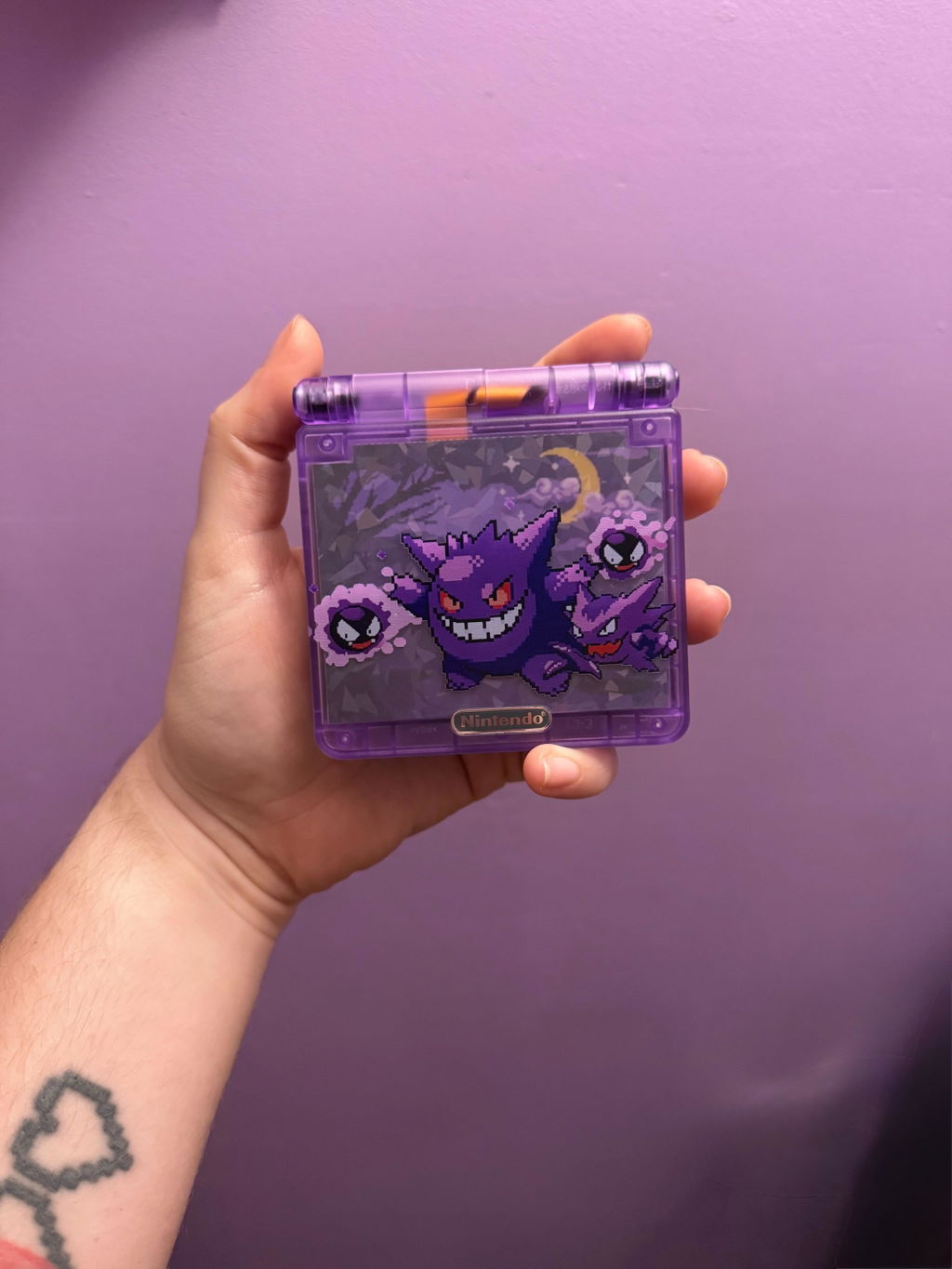
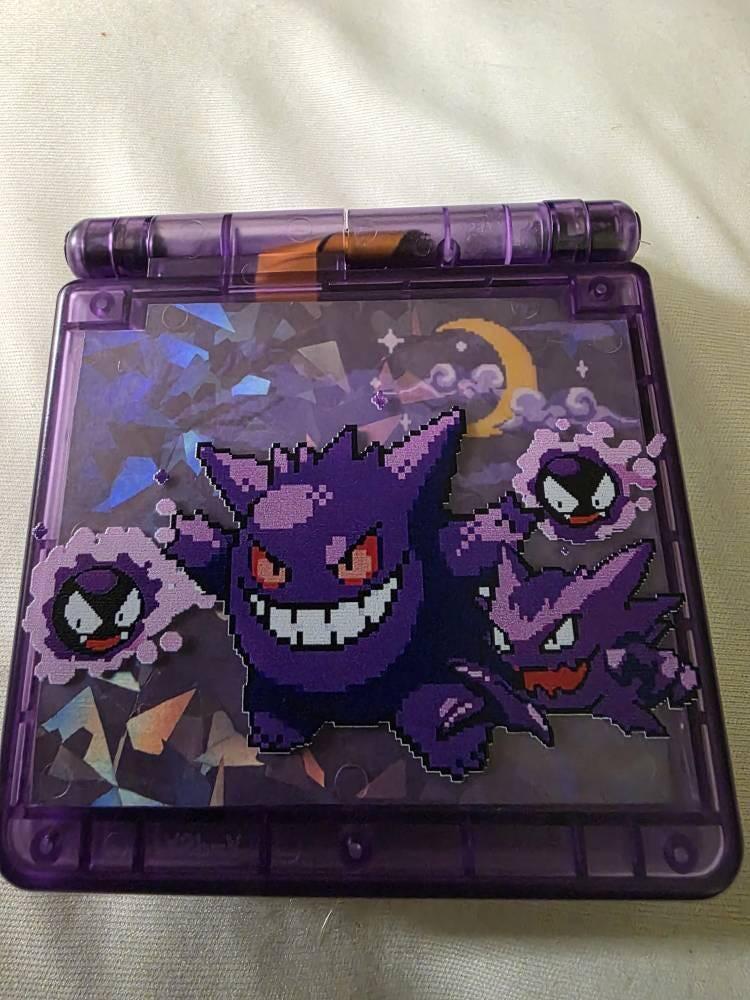
- Use a solid finish like the Stealth Black Edition for the "tournament pool" and a transparent shell for the general loaner pool
- Avoid ordering the entire fleet in one identical colourway — it saves nothing and costs identification speed
- Number or sticker-tag each unit under the battery cover, not on the visible shell
Build a check-out and loss-prevention system
Hardware disappears from shared pools without a system, not because members are dishonest but because nobody wrote down who took what.
- Run a simple sign-out sheet or shared spreadsheet with member name, unit ID, date out and date due
- Hold a deposit or ID card for units leaving the venue
- Photograph shell condition at check-out and check-in to settle damage disputes
- Run a physical inventory count monthly, not just when something goes missing
Set a repair and maintenance plan before something breaks
A fleet with no repair plan means the first cracked shell or dead battery takes a unit out of rotation indefinitely. Clubs that already own original GBA or GBA SP stock are often better served repairing and upgrading it than buying a whole new fleet — see how units ranked by durability hold up under repeat handling before deciding.
- Budget for annual servicing per unit, not just the initial purchase
- Keep a small stock of spare shells, buttons and battery packs on hand
- Line up a repair and upgrade service before a unit fails mid-tournament, not after
- Test battery health across the fleet quarterly rather than waiting for a dead unit at an event
Budget and phase the rollout
Buying the entire fleet in one order before testing it with real members is how clubs end up with twenty units nobody wants to check out.
- Pilot with five units for one to two months before scaling
- Track which shell colours and finishes get checked out first
- Expand to the full roster once usage patterns are clear
- Reassess condition and supplier fit around the 90-day mark


Comparing fleet options for gaming clubs
| Option | Best for | Key limitation |
|---|---|---|
| Buy a modded SP fleet outright | Clubs running regular tournament nights with spectators | Concentrates the spend into one purchase decision |
| BYOD (members bring their own) | Casual, loosely structured meetup groups | No consistency in screen, battery or charging across units |
| Repair/upgrade existing club stock | Clubs that already own original GBA or SP hardware | Units are out of rotation while serviced |
| Mixed fleet (owned + loaner pool) | Clubs balancing budget against member turnover | Needs a working check-out system to avoid losses |
Verdict: a club buying new in 2026 should standardize on USB-C, IPS V5 screens and distinct shell finishes across the whole fleet — buying a mismatched batch to save money costs more in confusion than it saves in dollars.
Common mistakes gaming clubs make
- Buying unmodded original units and inheriting a decade of NiMH battery decay across the whole fleet at once
- Mixing IPS V2 and V5 screens in the same pool, which shows up instantly when two members compare consoles side by side
- Skipping a check-out system entirely, assuming a small club doesn't need one — it does, from unit five onward
- Standardizing on proprietary chargers instead of USB-C, then losing meeting time to cable hunts
- Ordering the whole fleet in one identical colourway, which erases the one advantage shell variety gives a lending pool
FAQ
What's the best Game Boy Advance SP setup for a gaming club in 2026?
A fleet standardized on IPS V5 screens, USB-C charging and distinct shell finishes per loaner group works best in 2026. Consistency across units matters more for clubs than any single premium feature.
Is it better to buy new modded units or repair a club's existing GBA stock?
Repairing existing stock makes sense when the shells and boards are structurally sound and only the screen or battery needs upgrading. Buying new modded units makes more sense when the existing fleet has widespread battery or button failure.
How many GBA SP units does a small gaming club need to start?
Five units is a reasonable pilot size for a new lending pool before scaling to the full roster. This lets a club track which shells and finishes get checked out most before committing to a larger order.
Does USB-C charging matter for a shared console pool?
Yes — mixing proprietary GBA SP chargers with USB-C converted units is the fastest way to lose meeting time to cable hunts. Standardizing every unit on USB-C removes the problem entirely.
How do gaming clubs stop consoles from going missing?
A simple sign-out sheet with member name, unit ID and return date, combined with a deposit or ID hold, stops most losses. Monthly physical inventory counts catch anything a spreadsheet misses.
Should every console in a club fleet look the same?
No — identical shells across a lending pool make check-out mix-ups more common, not less. Distinct shell colours or finishes per loaner group solve identification faster than any tracking app.
How often should a club service its GBA SP fleet?
Annual servicing per unit, plus quarterly battery health checks, catches most failures before they happen mid-event. Lining up a repair provider ahead of time avoids scrambling when a unit dies at a tournament.
What screen type should a club avoid when buying modded GBA SP units?
Avoid mixing IPS V2 and V5 screens in the same fleet — the brightness and colour difference is obvious the moment two units sit side by side. Confirm every unit specifies V5 before ordering.
One last thing
The detail that trips up most clubs isn't the console spec — it's the charging cable. A fleet with mismatched proprietary and USB-C chargers loses more meeting time to cable hunts in 2026 than any screen or battery issue combined, and it's the cheapest fix on this whole list: standardize the port before you standardize anything else.